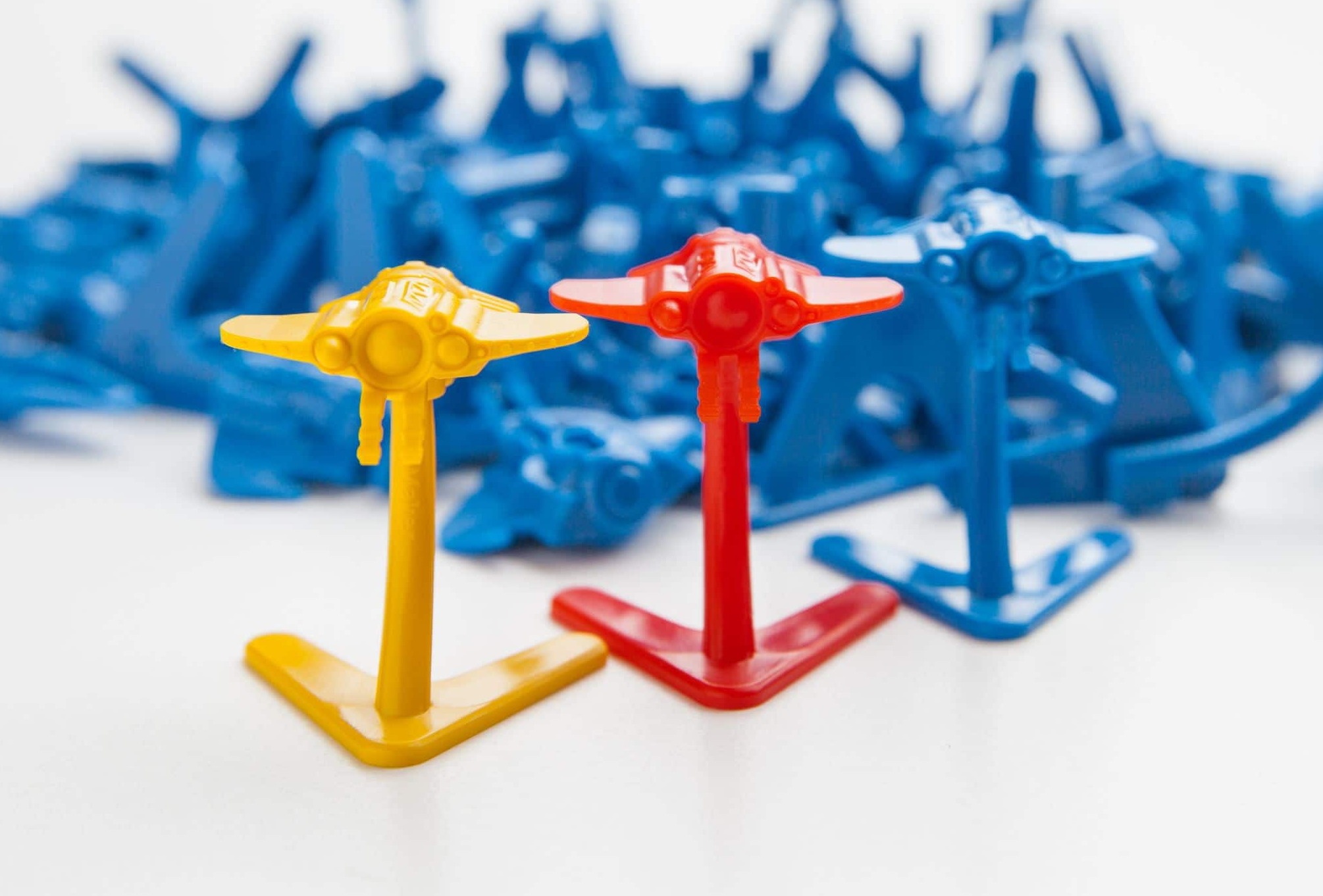
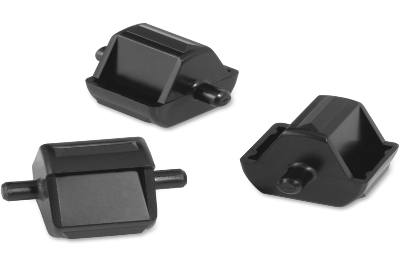
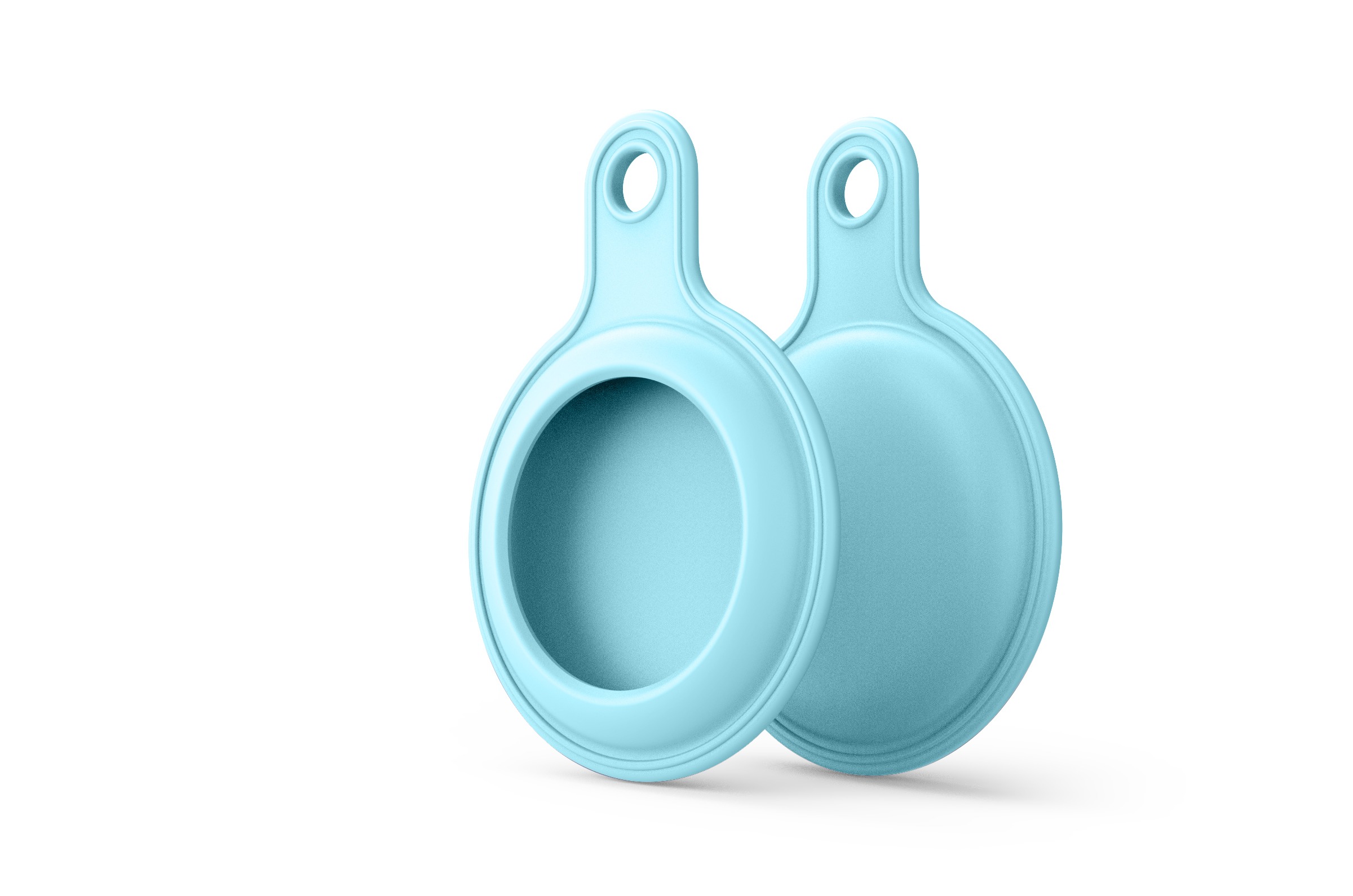

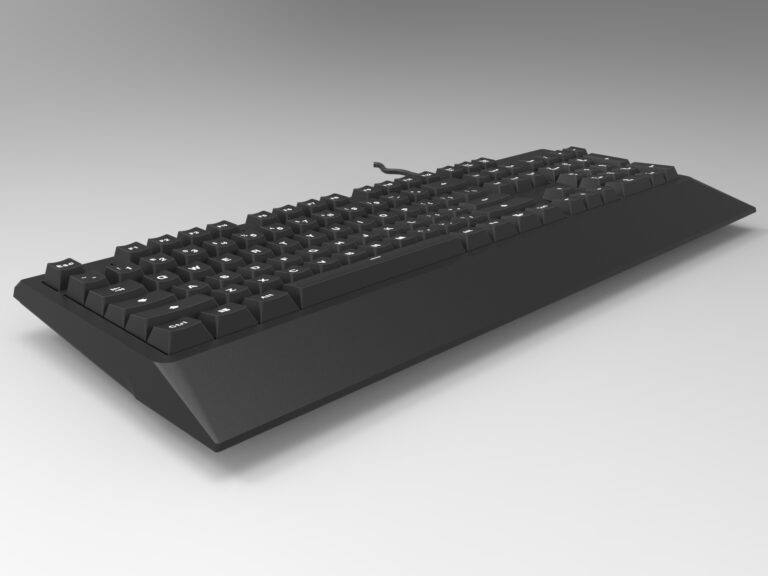
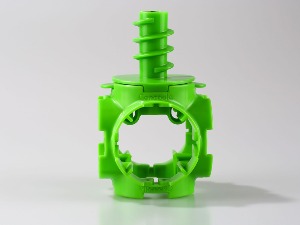
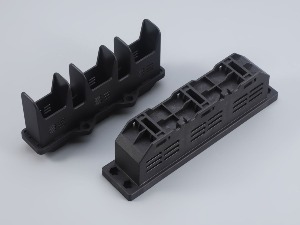
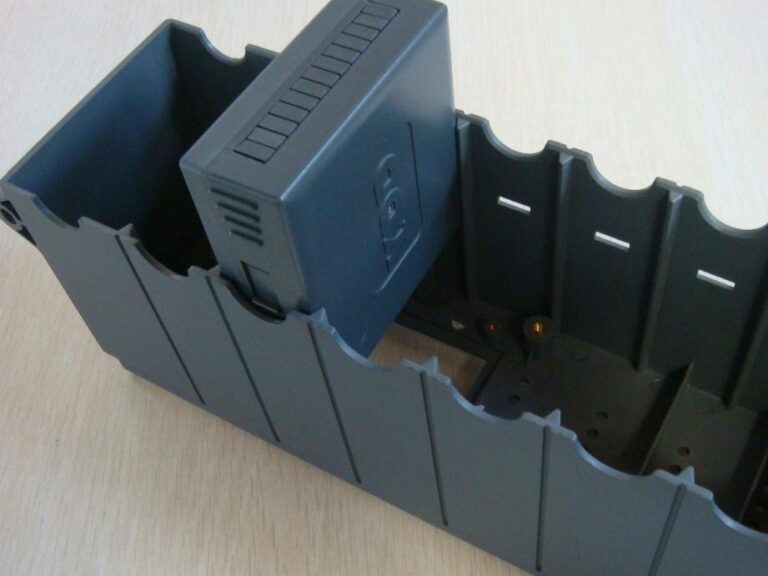
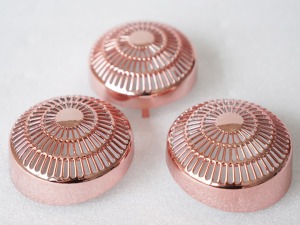
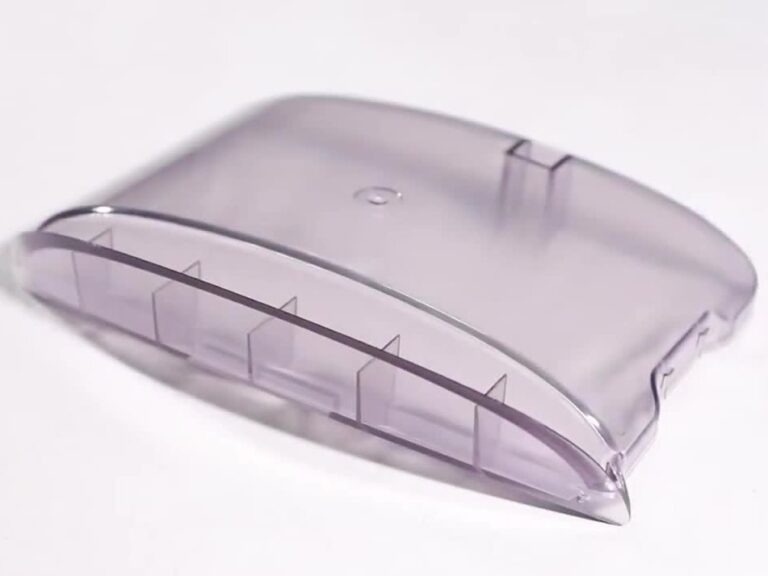

There are huge numbers of injection molding providers. Why should you choose us as your injection molding supplier? Here are the top 3 reasons:
1. Experienced Engineers
Our molding engineers have rich experience after handling thousands of projects, whatever parts they come across, they can get the right parameters immediately.
2. Advanced Facilities
By using imported and top brand locally made injection molding machines, we are able to make the most precise moldings.
3. Unlimited Capacities
Aside from our in-house facilities, we have built up strong networks with our partners. Full fleets of injection machines, from 10 tons to 1000 tons are ready for your orders without delay.
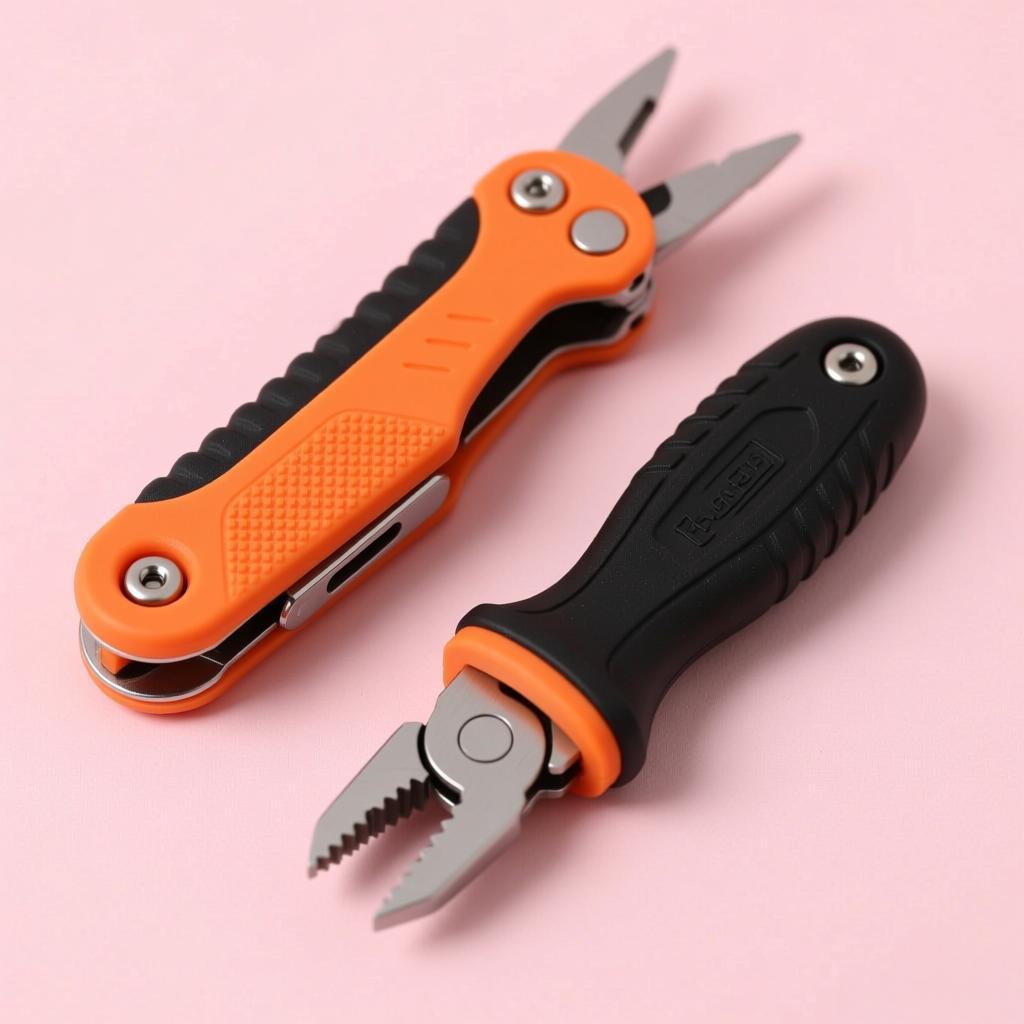
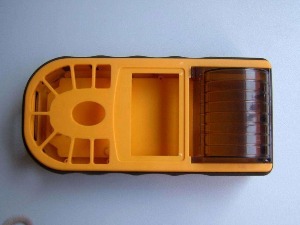
Overmolding uses injection molding to create a part from multiple materials. This process adds an injection-molded layer of material over an existing injection-molded workpiece. The overmolding process produces chemically bonded parts made using multiple materials.
The overmolding method is often cheaper and more effective than other manufacturing approaches that require creating and assembling component material parts separately. The process can also be used to build layered parts from scratch or to add a resistant outer layer to existing plastic parts and tools, providing a more rugged exterior. Toothbrushes consisting of a solid plastic body and rubberized grip are a common example of an overmolded product.
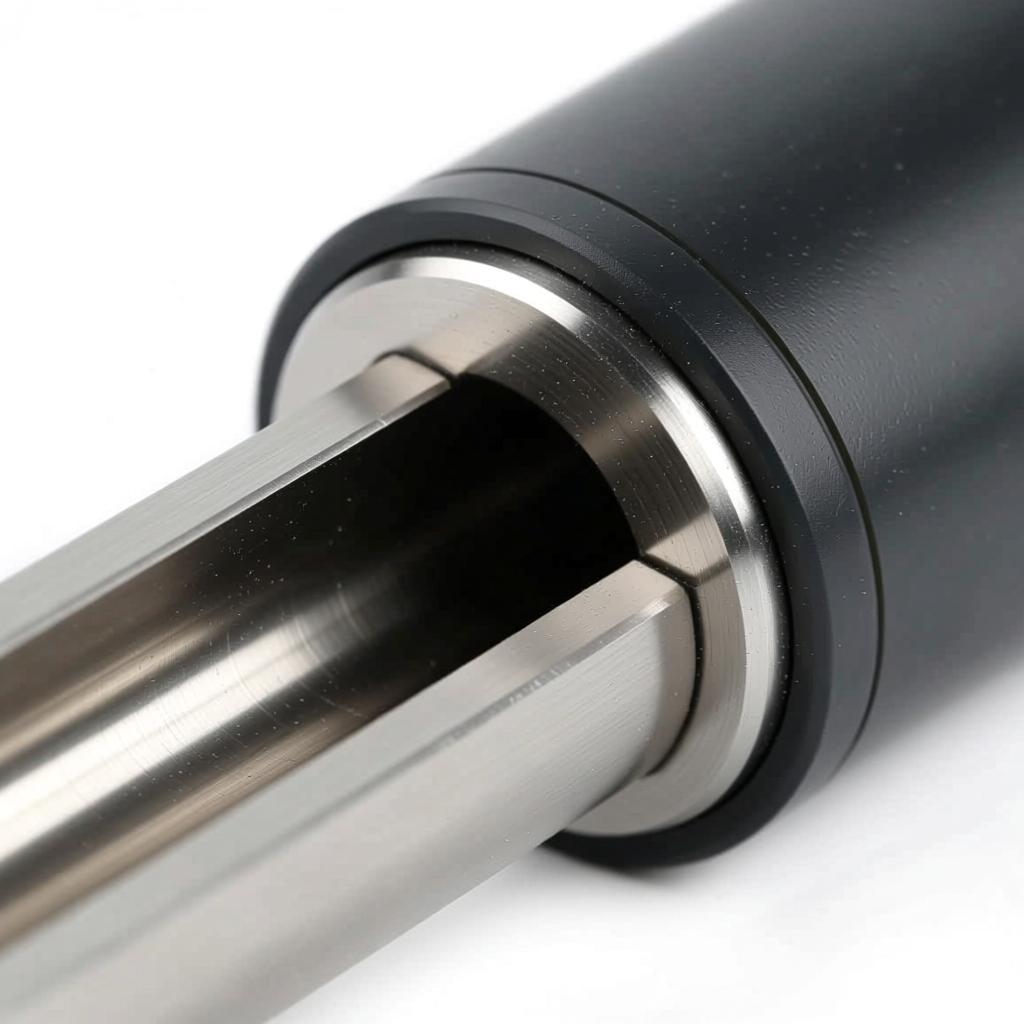
Insert molding is similar to overmolding, but the substrate is not necessarily plastic and does not have to be produced via injection molding. For example, insert molding can be used to add a plastic coating to a pre-fabricated metal part.
Common parts made by insert molding include sharp handheld tools, such as scalpels, which consist of a metal blade partially housed within a plastic handle. Insert molding is also frequently used to create products that incorporate bushings, clips, and fasteners
Plastic injection molding is the process of making plastic parts via the injection of molten plastic — typically a thermoplastic — into a metal mold, which is usually made from steel or aluminum.
The machine feeds raw material into the mold itself, the geometry of which is effectively a negative impression of the final part and which usually consists of two sections: an injection (A) mold and an ejector (B) mold.
The space between the two sections is the mold cavity, into which material is injected.
Although capable of producing a very wide range of parts, injection molding has some design constraints. Parts must have fairly narrow walls, should generally avoid overhanging features, and must have some degree of draft (tapered sides) so the part can be ejected from the mold.
Injection molding is principally used with plastics, and thermoplastics in particular. Thermoplastics are polymers that soften at an elevated temperature (at which point they can be freely injected into a mold) then return to a solid state after cooling. Injection molding also works with thermosets, which can be cured to make a solid but cannot then be melted back into a liquid state. Less common are elastomers.
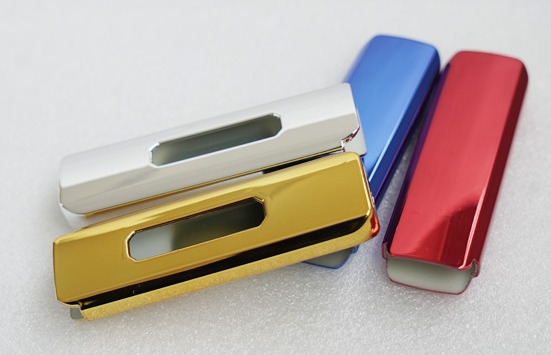
Injection molding can use almost any type of plastic that can also be combined together. This unmatched versatility is what makes injection molding so popular and suitable for some of the most demanding industries in the world. You can check out our selection of available materials and finishes on this page.
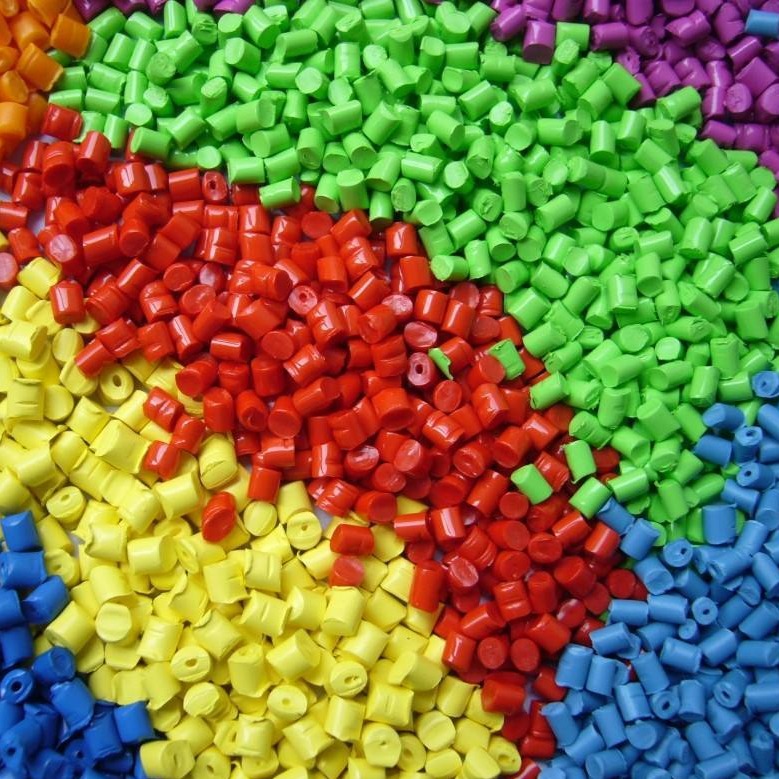
The plastic pellets are melted and are then inserted in liquid form into the mold tool, where it cools and takes the required shape. The process allows for high precision and tight tolerances because it can be replicated exactly each time.
Injection molding is one of the most affordable ways to manufacture large quantities of parts, especially for bigger production runs. Even though designing and creating the mold can take time, after that, the process becomes very affordable and efficient.
Before production can begin, we will first need to design the injection mold tool. How long this takes will depend on the complexity of your project, but the usual timeline can be as short as a week and as long as a couple of months.