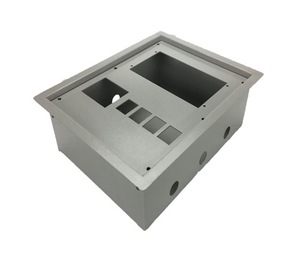
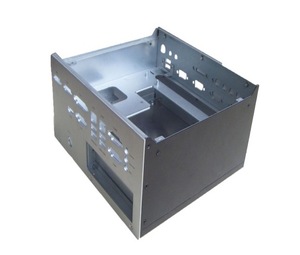

Aluminum + , copper, stainless steel + , steel and zinc
Bead blasting, anodizing, plating, powder coating and custom finishes
Variety of gauges available
Sheet metal fabrication produces durable parts for prototyping or end use
Low setup costs mean low prices for large volumes
Parts delivered in just 5-10 days
Sheet metal fabrication is a set of manufacturing processes used to turn sheet metal stock into functional parts. The sheet metal is usually between 0.006 and 0.25 inches (0.015 and 0.635 centimeters) thick.
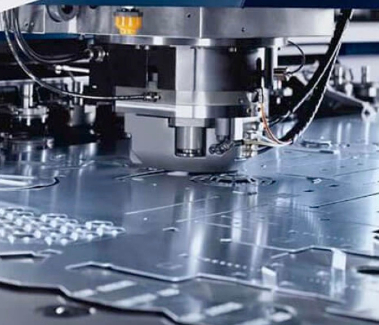
There are several processes that fall under the umbrella of ‘sheet metal fabrication’. These include cutting, bending and punching, and can be used either in tandem or individually.
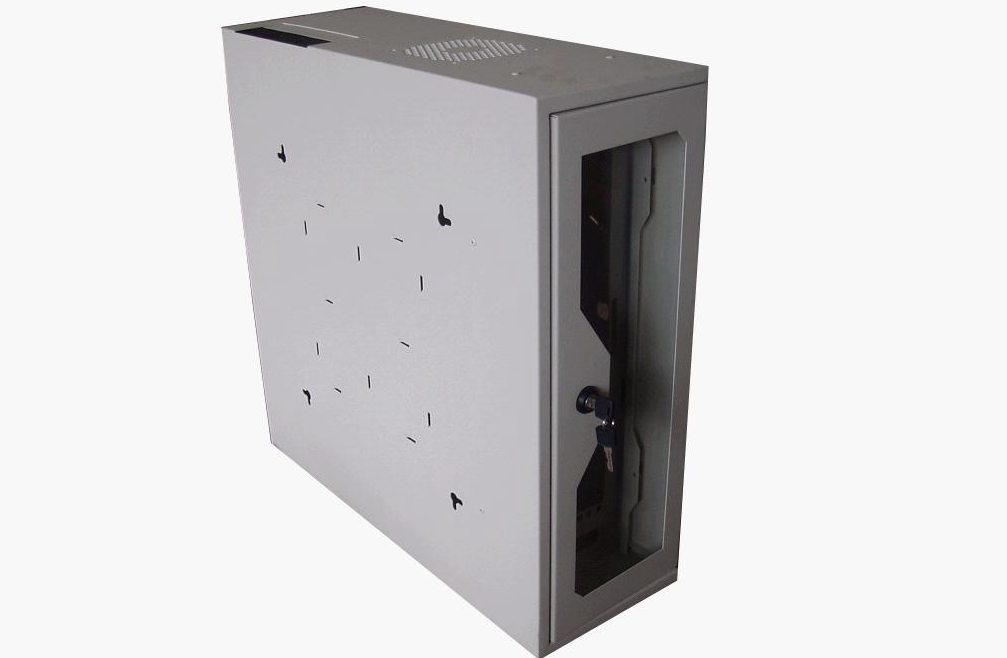
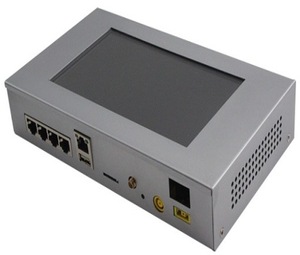
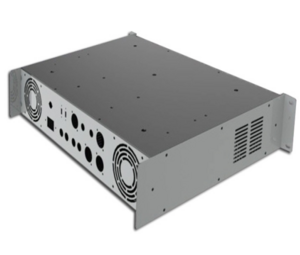
Sheet metal fabrication can be used to create either functional prototypes or end-use parts, but end-use sheet metal parts generally require a finishing process before they are ready for market.
The type of cutting machine used depends on the chosen material and the gauge of the sheet, as well as factors like desired lead time and tolerances. We know which projects need which equipment, so you don’t need to specify a particular cutting machine.
No. You can order a one-off prototype or 1,000+ units.
In general, a part that is cut, bent and punched will cost more than a part that is, for example, just cut using a laser cutter. However, most sheet metal parts demand a combination of forming processes, and this will not increase the price by a drastic amount.