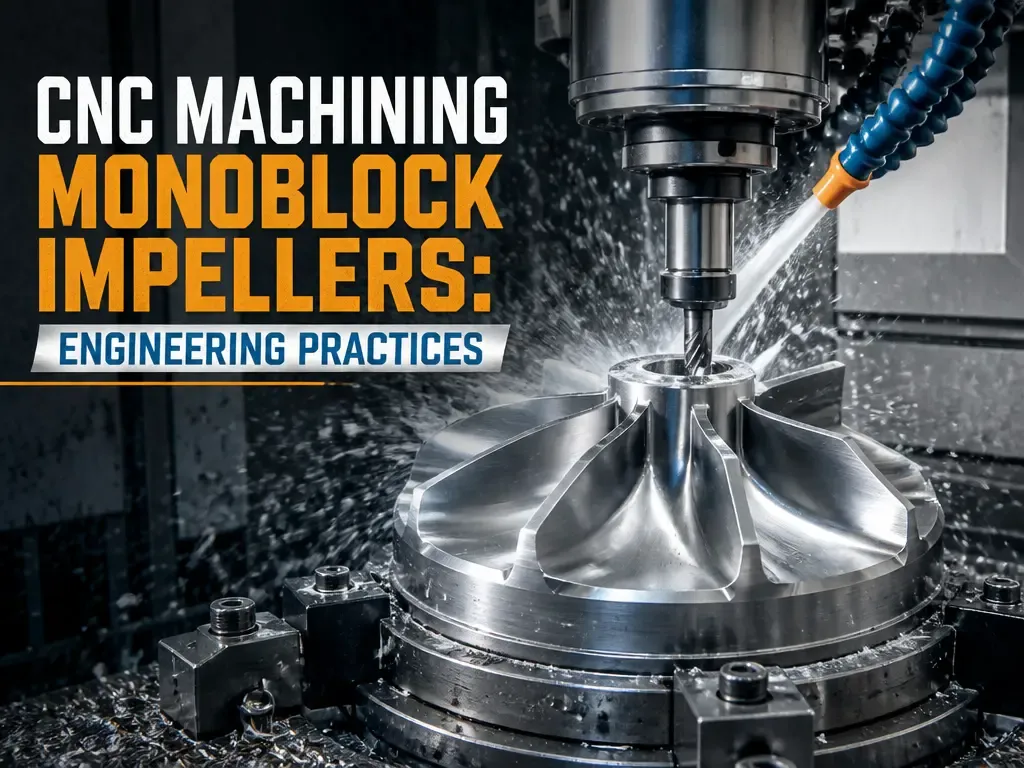
Brass CNC machining is widely used for parts that need stable dimensions, smooth cutting behavior, and reliable corrosion resistance. It is a practical material choice for fittings, valve parts, electrical hardware, decorative components, and many low-to-medium complexity precision parts.
Compared with tougher metals, brass is usually easier to cut and less demanding on tooling. That makes it a strong option for teams seeking repeatable quality through CNC machining, especially when lead time, finish consistency, and cost control all matter.
Why brass works well in CNC machining
Brass is a copper-zinc alloy, and its mix of machinability and functional performance is the main reason it appears so often in machined components. For many part geometries, it produces clean cuts, stable tolerances, and predictable chip behavior when the process is set correctly.
Common reasons manufacturers choose brass include:
- good machinability for turning, milling, drilling, and threading
- natural corrosion resistance in many indoor and fluid-handling environments
- stable dimensional behavior for precision features
- useful electrical and thermal conductivity
- an attractive surface appearance when the part is left visible
This combination makes brass suitable for both functional industrial parts and components where appearance also matters.
Common brass alloys for machined parts
Not all brass grades behave the same way in production. Alloy choice affects machinability, corrosion resistance, ductility, and whether the part is more suitable for electrical, plumbing, marine, or decorative use.

C360 free-machining brass
C360 is one of the most common brass grades for CNC work. It is frequently selected when the priority is efficient cutting, stable cycle times, and good surface finish on turned or milled parts.
It is often used for:
- screws, inserts, and threaded fittings
- valve bodies and plumbing hardware
- bushings and general industrial components
- electrical terminals and connector parts
C260 cartridge brass
C260 has higher ductility than C360 and is often chosen when forming performance matters alongside machining. It can be useful for hardware, electrical parts, and components that need a balance of workability and appearance.
In real production, the best choice depends on the feature set, quantity, finish requirement, and whether the part will see bending, forming, or only machining.
C464 naval brass
C464 is typically considered when stronger corrosion resistance is required, especially in marine or salt-exposed environments. It is less about maximizing easy machining and more about supporting the final service environment.
When a part will operate around moisture, salt, or aggressive fluid exposure, alloy selection should be reviewed early instead of after the machining plan is already fixed.
Best machining practices for brass parts
Brass is forgiving compared with many engineering metals, but process control still matters. Good results come from matching tool geometry, speed, feed, and depth of cut to the specific alloy and feature type.
Use cutting parameters that support chip control
Chip behavior is one of the first things to watch in brass machining. If chips become too long or inconsistent, they can affect finish quality, tool life, and machine reliability.
Useful process checks include:
- confirming spindle speed and feed are balanced for the alloy
- avoiding unnecessarily deep cuts on small or thin features
- adjusting tool geometry when burrs or rough edges appear
- reviewing whether the operation is better suited to turning, milling, or drilling sequence changes
Even for a material known to machine easily, stable chip evacuation is still part of a repeatable production process.

Select tools for clean edges and long tool life
Brass usually responds well to sharp tooling and stable tool engagement. In many projects, the right tool choice is what separates a clean finished part from one that needs extra deburring or secondary correction.
Tool selection often focuses on:
- sharp cutting edges for smoother shearing
- geometry that limits burr formation
- coatings or substrate choices matched to production volume
- rigid setups that reduce chatter on small details
For parts with fine threads, sealing surfaces, or cosmetic edges, it is often worth optimizing the tooling strategy before scaling the job into repeat batches.
Match the finish to the part function
Some brass components can ship directly from machining, while others need a secondary finish for appearance, protection, or assembly performance. The best finish depends on what the part actually needs to do.
Common finishing routes include:
- polishing for smoother visual surfaces
- plating when the application needs a modified surface layer
- protective coatings for appearance or environmental exposure
- light deburring for parts that mainly need edge safety and assembly fit
If a component includes sealing features or visible customer-facing surfaces, surface finish should be specified clearly in the RFQ instead of assumed later.
Common challenges in brass CNC machining
Brass is generally straightforward to process, but there are still a few recurring manufacturing issues that can affect quality if they are ignored.
Burr formation
Small burrs can appear around holes, threads, and edge breaks, especially on detailed features or high-output runs. This is often controlled through tool sharpness, cutting parameter adjustments, and a deburring plan that fits the part geometry.
Chip management
Even easy-cutting materials can create handling issues if chips wrap, pack, or interfere with the work zone. Process tuning and machine cleanliness matter more than the label “easy to machine” might suggest.
Tolerance retention on small features
Tight dimensions on thin walls, tiny threads, or precision fits still require a disciplined process. Good precision machining practice starts with a realistic drawing, stable workholding, and a feature sequence that protects critical datums.
Typical applications for machined brass parts
Brass remains a strong choice across several industries because it combines function, manufacturability, and appearance in a single material family.
Electrical and electronics components
Brass is often used for:
- terminals and connectors
- switch parts and socket hardware
- threaded electrical inserts
- heat and signal transfer components
Its conductivity and machinability make it especially useful where small precision features need to be produced efficiently.
Plumbing and fluid-handling hardware
Brass is common in:
- valves and fittings
- bushings and couplings
- pump-related hardware
- manifolds and connector bodies
This is one of the most established application areas because brass balances machinability with corrosion resistance in many service conditions.
Industrial equipment and wear parts
Brass can also be a strong fit for:
- bushings and bearing-related parts
- shafts, collars, and spacers
- low-friction support components
- machined hardware used in assemblies
When the geometry is rotational or thread-heavy, combining CNC turning with secondary milling often creates an efficient manufacturing route.
Decorative and consumer-facing products
For visible parts, brass brings a warm metallic appearance that many plated or coated materials try to imitate. That makes it useful in knobs, trim, custom hardware, instrument parts, and branded components where both finish and dimensional accuracy matter.
Design tips before requesting a quote
If you plan to source brass machined parts, the best quote requests usually explain more than the basic geometry. Material grade, finish expectations, and tolerance priorities all influence how the process should be built.
Useful details to provide include:
- the exact brass alloy if already specified
- critical dimensions and inspection relationships
- thread standards and sealing features
- surface finish expectations
- quantity, whether prototype or repeat production
- end-use environment, especially if corrosion resistance matters
That information helps our team avoid overprocessing simple parts or underestimating features that actually drive cost and risk.
How Zigitech approaches brass machining projects
At Zigitech, we review brass machining jobs by looking at alloy choice, feature type, tolerance stack-up, finish needs, and batch size before locking in the process route. Some parts are best handled through efficient CNC milling and turning with minimal secondary work. Others need a more careful inspection and deburring plan because sealing, electrical, or visible surfaces carry more risk.
The goal is to choose the simplest stable process that meets the drawing and the part function. That is usually the fastest path to reliable quality, especially for repeat production and low-volume custom hardware.
Final takeaway
Brass CNC machining is a strong choice when you need easy machinability, repeatable accuracy, and solid corrosion performance in one material. The right result depends on selecting the right alloy, controlling burrs and chip behavior, and matching the finish strategy to the actual application.
If you are sourcing brass components for fittings, electrical hardware, industrial equipment, or custom assemblies, request a quote with your CAD files, material grade, finish notes, and target quantity. That gives the machining plan a much better starting point from day one.